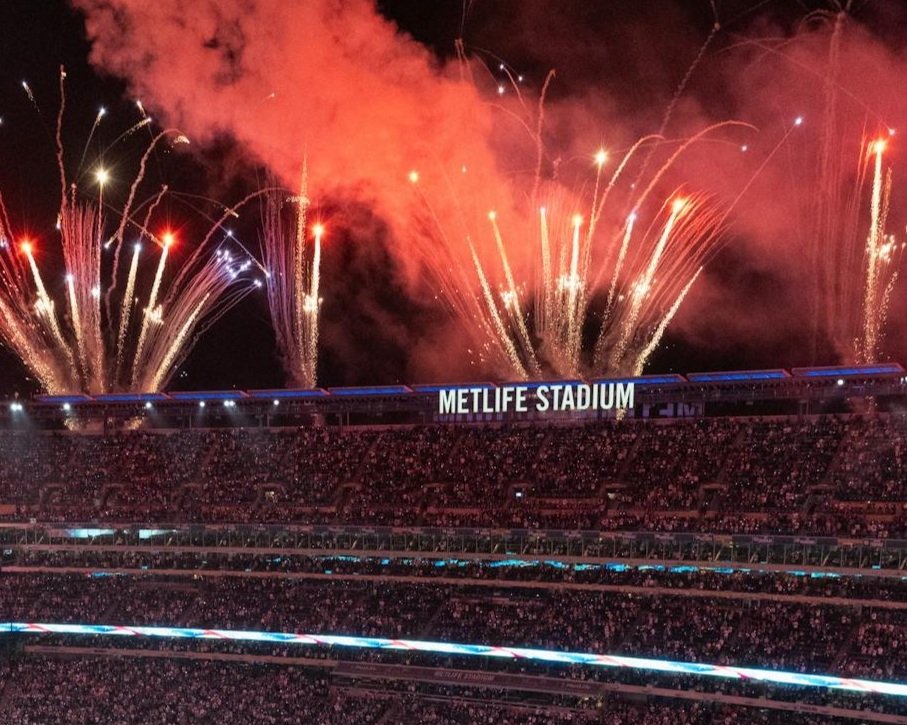
The Universal Appeal of Live Music: More Than Just a Show
Live music possesses an undeniable magic, a power to unite diverse audiences through shared passion and rhythm. From intimate club gigs to stadium-filling spectaculars, the energy of a live performance creates lasting memories and fosters a sense of community. Few artists embody this global phenomenon more vibrantly than Taylor Swift, whose Eras Tour has captivated millions worldwide. However, for many, attending such events presents significant challenges related to concert accessibility. The promise of an unforgettable experience should be open to everyone, irrespective of physical, sensory, or cognitive differences. This article delves into the critical importance of inclusion and access at major concerts, using Taylor Swift’s events as a lens to explore best practices and future aspirations in the realm of accessibilità concerti.
Why Accessibility Matters at Taylor Swift's Eras Tour
Taylor Swift's concerts are more than just musical performances; they are meticulously crafted spectacles that offer a profound fan experience. With her massive global fanbase, which includes people of all ages and abilities, the demand for truly inclusive events is paramount. When an artist of her stature champions accessibility, it sends a powerful message across the entire entertainment industry. Ensuring that every fan, whether they use a wheelchair, have hearing or visual impairments, or experience sensory sensitivities, can fully participate is not just a legal requirement but a moral imperative. It means designing environments where everyone feels welcomed, respected, and able to enjoy the show without undue barriers or stress. The global scale of the Eras Tour provides an unparalleled opportunity to set a new benchmark for comprehensive accessibilità concerti, influencing countless other tours and venues to follow suit.
Key Pillars of Concert Accessibility: Beyond Ramps and Seating
True accessibilità concerti extends far beyond simply providing a ramp or a few designated seating areas. It requires a holistic approach that considers every touchpoint of the concert experience, from purchasing tickets to exiting the venue. This comprehensive perspective embraces various dimensions of accessibility, ensuring that the needs of a diverse audience are met with thoughtful planning and execution.
Physical Accessibility: Navigating the Venue
The most commonly recognized aspect of accessibility is physical access. For someone using a wheelchair, a mobility scooter, or even crutches, the journey from arrival to their seat can be fraught with obstacles. Key considerations for physical accessibilità concerti include:
- Accessible Seating: Not just a few spots, but a range of options that offer good sightlines and companion seating. These should be available at various price points, not just the most expensive or cheapest.
- Ramps and Lifts: Clearly marked, well-maintained, and sufficiently wide ramps or elevators to navigate different levels of the venue.
- Accessible Restrooms: Sufficient numbers of spacious, clean, and easily locatable accessible restrooms equipped with grab bars and appropriate facilities.
- Clear Pathways: Unobstructed routes to and from entrances, exits, concessions, and restrooms, free from merchandise stalls or queues that block mobility.
- Transportation: Information and provisions for accessible drop-off points, parking, and public transport connections.
Sensory Accessibility: Lights, Sounds, and Comfort
For individuals with sensory processing disorders, autism, PTSD, or other conditions sensitive to stimuli, the overwhelming sensory environment of a large concert can be debilitating. Addressing sensory accessibility is a crucial, yet often overlooked, component of true inclusion.
- Quiet Zones/Sensory Rooms: Designated calm spaces where individuals can retreat from the noise and crowds to decompress.
- Sensory Kits: Offering items like noise-cancelling headphones, fidget toys, or sunglasses for those who need them.
- Strobe Light Warnings: Clear and advance warnings about the use of strobe lighting, intense visual effects, or sudden loud noises, allowing individuals to prepare or find alternative viewing spots.
- Trained Staff: Personnel who understand sensory sensitivities and can assist individuals in distress.
Communication & Information: Breaking Down Barriers
Effective communication and accessible information are fundamental to empowering all concert-goers. This includes providing details well in advance and offering real-time support.
- Website Accessibility: Venue and ticketing websites should be navigable for screen readers and offer clear, easy-to-find information about accessibility services.
- ASL Interpreters: For deaf and hard-of-hearing fans, providing American Sign Language (ASL) interpreters for the performance (or at least key moments like announcements) is vital. This requires careful planning for interpreter placement and lighting.
- Clear Signage: Easy-to-read, high-contrast signage with pictograms guiding attendees to accessible facilities, exits, and services.
- Dedicated Accessibility Contact: A clear point of contact (phone, email) for fans to inquire about specific needs and pre-arrange accommodations.
- Captioning/Audio Description: Consideration for captioning pre-show videos or providing audio description services for visually impaired attendees, enhancing their engagement with the show's visual elements.
Taylor Swift and the Fan Experience: Setting a Standard
The massive scale of Taylor Swift's Eras Tour, with its intricate staging and global reach, presents both immense challenges and incredible opportunities for pioneering universal access. When an artist and their production team commit to enhancing accessibilità concerti, they don't just help individual fans; they inspire an entire industry. The discussion around Nine Inch Nails & Beyond: Improving Concert Accessibility has shown that dedication to this cause is gaining traction across the musical spectrum.
Promoter Responsibilities and Best Practices
Event promoters and venue operators bear the primary responsibility for implementing comprehensive accessibility strategies. This involves a proactive approach from the initial planning stages through to post-event feedback. Best practices include:
- Accessibility Audits: Regular assessments of venues by accessibility experts to identify potential barriers and recommend improvements.
- Staff Training: Comprehensive training for all staff – ushers, security, ticketing agents, concession workers – on disability awareness, etiquette, and emergency procedures for people with disabilities.
- Feedback Mechanisms: Establishing clear channels for attendees to provide feedback on their accessibility experience, allowing for continuous improvement.
- Dedicated Accessibility Teams: Having a specific team or individual responsible for coordinating accessibility services, addressing fan inquiries, and ensuring compliance.
The Role of Technology in Enhancing Access
Technology offers innovative solutions to bridge accessibility gaps at concerts. From ticketing to real-time assistance, digital tools can significantly enhance the experience:
- Accessible Ticketing Platforms: Websites that are screen-reader friendly and clearly display accessible seating options, allowing for easy booking.
- Venue Apps: Mobile applications that provide real-time information on accessible routes, restroom locations, and offer features like closed captions for announcements or quiet zone indicators.
- Assistive Listening Devices: Availability of devices for individuals with hearing impairments to better experience the audio.
- Virtual Reality/Augmented Reality: While still nascent for live events, these technologies could one day offer immersive experiences for those unable to attend in person, or provide supplementary visual aids within the venue.
Actionable Steps for Fans and Organizers: Enhancing "Accessibilità Concerti"
Achieving truly inclusive concerts is a collaborative effort. Both fans and organizers play a role in advocating for and implementing better accessibilità concerti.
For Concert-Goers with Accessibility Needs
- Plan Ahead: Research the venue's accessibility policy well in advance. Check their website or call their accessibility coordinator directly.
- Communicate Your Needs: Don't hesitate to clearly articulate your specific requirements when purchasing tickets or contacting the venue.
- Arrive Early: Giving yourself extra time can help navigate crowds and unfamiliar environments more calmly.
- Provide Feedback: Share your experiences, positive or negative, with the venue or event organizers. Constructive feedback is invaluable for driving change.
For Event Organizers and Venues
- Prioritize Accessibility from Day One: Integrate accessibility planning into every stage of event organization, not as an afterthought.
- Consult with Disability Advocates: Engage with disability organizations and individuals with lived experience to gain valuable insights and ensure solutions are practical and effective.
- Invest in Infrastructure and Training: Allocate resources for physical upgrades, technological solutions, and comprehensive staff training.
- Make Information Transparent: Clearly publish all accessibility information on your website and ticketing platforms.
- Foster a Culture of Inclusion: Promote an environment where all attendees and staff feel valued and respected, actively working to dismantle barriers.
The captivating allure of a Taylor Swift concert should be a shared experience for all. By consciously prioritizing inclusion and accessibility, event organizers, venues, and artists like Taylor Swift can continue to lead the charge in making live music truly universal. The conversation around accessibilità concerti is growing, and with continued dedication, we can ensure that the magic of live performances is accessible to every single fan, creating a more equitable and joyful world of entertainment.