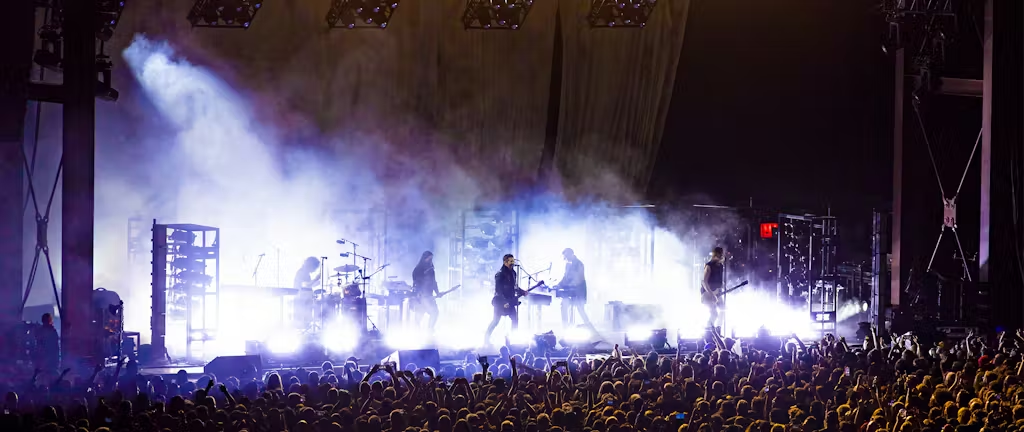
Nine Inch Nails & Beyond: Improving Concert Accessibility for All Fans
The electrifying pulse of live music is a universal language, a communal experience that transcends boundaries. Yet, for too many, the thrill of attending a concert remains an aspiration rather than a reality due to a myriad of accessibility barriers. From iconic industrial rock acts like Nine Inch Nails, known for their powerful, immersive shows, to global pop phenomena like Taylor Swift, whose concerts draw massive, diverse audiences, the challenge of ensuring live music is truly accessible for everyone is a critical one. This article delves into the complexities of concert accessibility, offering insights, solutions, and a vision for a more inclusive future where every fan can experience the magic of their favorite artists.
The Evolving Landscape of Concert Accessibility: Challenges and Progress
Concert accessibility, or accessibilità concerti as it's known in Italian, encompasses a broad spectrum of considerations, far beyond simply providing a ramp. It involves thoughtful planning, infrastructural adjustments, technological integration, and a fundamental shift in mindset from venues, promoters, and artists alike. The goal is to dismantle barriers that prevent individuals with disabilities from fully participating in live music events.
Physical Barriers: More Than Just Ramps
While ramps and elevators are crucial, physical accessibility extends to various aspects of a venue's design and operation. This includes:
- Accessible Seating: Adequate, well-located seating for wheelchair users and their companions, with clear sightlines. This also means accessible pathways to these seats, free from obstructions.
- Restrooms: Sufficient numbers of accessible restrooms, maintained and clearly signposted.
- Entrances and Exits: Smooth, wide, and clearly marked accessible entry and exit points, with trained staff to assist.
- Transportation and Parking: Designated accessible parking spaces, and information on accessible public transport options to and from the venue.
- Concessions and Merchandise: Lowered counters at food stalls and merchandise booths, or staff assistance available for patrons who cannot reach.
The challenge often lies not just in the presence of these features, but in their usability and integration into the overall concert experience. A ramp to a poorly located viewing platform or an accessible restroom that is consistently out of order defeats the purpose.
Sensory Considerations: Beyond the Visual
Concerts are a full sensory experience, which can be overwhelming or exclusionary for individuals with sensory sensitivities or certain neurological conditions. Addressing these needs is a crucial step towards true inclusivity:
- Sound and Lighting: While integral to the concert experience, extreme volumes and flashing lights can trigger anxiety, migraines, or seizures. Offering quiet zones, ear defenders, or providing advance warnings about strobe lights can make a significant difference.
- Neurodiversity: Creating an environment that is welcoming for individuals with autism spectrum disorder or other neurodevelopmental differences involves considering sensory inputs, providing clear visual schedules, and offering sensory-friendly spaces.
- Visual Impairment: Clear, large-print signage, tactile maps, audio descriptions for stage performances, and guided assistance can enhance the experience for those with visual impairments.
Communication and Information Gaps
Effective communication is paramount. This includes:
- Sign Language Interpreters: Providing American Sign Language (ASL) or British Sign Language (BSL) interpreters for performances, especially for keynote speeches, announcements, or specific song lyrics, if requested in advance.
- Information Accessibility: Ensuring all information about accessibility features (ticketing, venue layout, contact details for access support) is readily available on websites and promotional materials in accessible formats. This is often where the journey to an accessible concert experience begins, and a lack of clear information can be the first barrier.
- Staff Training: Properly trained staff who are knowledgeable about accessibility features, empathetic to diverse needs, and capable of assisting patrons with dignity are invaluable.
Learning from the Stars: Nine Inch Nails, Taylor Swift, and Beyond
When artists of the caliber of Nine Inch Nails or Taylor Swift embark on world tours, they attract millions of fans globally. Their influence extends beyond music; they have the power to drive significant change in the industry's approach to accessibility. While specific details on the accessibility initiatives of every major tour can vary, the principle remains: large-scale events must lead the way in creating truly inclusive experiences.
For high-intensity shows like those from Nine Inch Nails, with their elaborate light shows and powerful sound, considerations around sensory accessibility become even more critical. Venues hosting such acts should explore options like designated "sensory break" areas or providing clear warnings about potential sensory triggers. Similarly, for events like Taylor Swift concerts, which draw enormous crowds and often include multi-day festivals, the sheer scale magnifies every accessibility challenge, from ticketing to transportation.
Major artists and their teams can advocate for better venue standards, partner with accessibility consultants, and proactively communicate accessible options to their fan bases. Their commitment can set a precedent, encouraging smaller venues and emerging artists to follow suit. The move towards inclusive concerts isn't just about compliance; it's about recognizing the diverse fanbase and ensuring everyone has the opportunity to be part of the live music community. For a deeper dive into the broader challenges, consider reading Concert Accessibility: Navigating Challenges for All Fans.
Practical Steps Towards Inclusive Live Music Experiences
Improving concert accessibility requires a multi-faceted approach involving all stakeholders: venues, promoters, ticketing agencies, artists, and fans themselves.
Ticketing and Planning Ahead
- Dedicated Access Lines: Ticketing platforms should offer clear, easily identifiable options for purchasing accessible tickets, often with dedicated phone lines or email support for specific access needs.
- Companion Tickets: Policies that allow a free or reduced-price ticket for a personal assistant or companion are crucial for many disabled concert-goers.
- Advance Information: Venues should provide comprehensive accessibility guides on their websites, detailing everything from parking to accessible restroom locations and sensory provisions. This allows attendees to plan their visit effectively.
Venue Infrastructure and Staff Training
- Regular Audits: Venues should conduct regular accessibility audits to identify and address physical and operational barriers.
- Universal Design Principles: New constructions and renovations should integrate universal design principles from the outset, ensuring facilities are usable by all people, to the greatest extent possible, without the need for adaptation or specialized design.
- Ongoing Training: All staff, from security to ushers to box office personnel, should receive ongoing training in disability awareness, etiquette, and specific procedures for assisting disabled patrons.
- Feedback Mechanisms: Establish clear channels for feedback from disabled patrons about their experience, and actively use this feedback for continuous improvement.
Fostering a Culture of Inclusion
Beyond physical infrastructure, cultivating an inclusive culture is paramount. This means:
- Challenging Stereotypes: Actively promoting positive portrayals of disabled individuals in concert promotions and marketing.
- Active Advocacy: Artists and industry leaders speaking out about the importance of accessibility and advocating for change.
- Community Engagement: Collaborating with disability advocacy groups to understand needs and implement solutions.
Initiatives focused on specific artists, such as those discussed in Taylor Swift Concerts: A Focus on Inclusion and Access, highlight how individual artists can champion greater inclusivity, setting a benchmark for the entire industry.
The Future of Concert Accessibility
The future of concert accessibility is bright, driven by increasing awareness, technological advancements, and a growing demand from fans for truly inclusive experiences. Innovations like virtual reality tours of venues for planning, AI-powered communication tools, and personalized sensory support systems are on the horizon. The industry is realizing that accessibility isn't just a legal requirement but a moral imperative and a smart business decision; an accessible concert opens the door to a wider audience, enhancing the community and economic viability of live music.
Ultimately, true concert accessibility means designing experiences where everyone feels welcome, valued, and empowered to fully enjoy the live music they love. It's about moving from minimum compliance to maximum inclusion, ensuring that the magic of a live performance is a shared joy for all.